The Ultimate Guide to Internal Linking for SEO Success

FUTORICS
FutoricsSearch engines are constantly trying to understand what your website is about, how your pages relate to one another, and which content deserves the most visibility. One of the most underrated ways to influence that understanding is through internal linking. While many businesses pour their energy into backlinks and content creation, internal linking SEO is often overlooked, even though it directly affects crawlability, page authority, and user experience. If you are serious about improving your search rankings, mastering website internal links should be a core part of your strategy, alongside professional SEO Services that can guide the process from start to finish.
What Is Internal Linking and Why Does It Matter
Internal linking refers to the practice of connecting one page on your website to another page on the same domain. Unlike backlinks, which come from external websites, internal links are entirely within your control. This makes them one of the easiest and most cost-effective SEO tactics available.
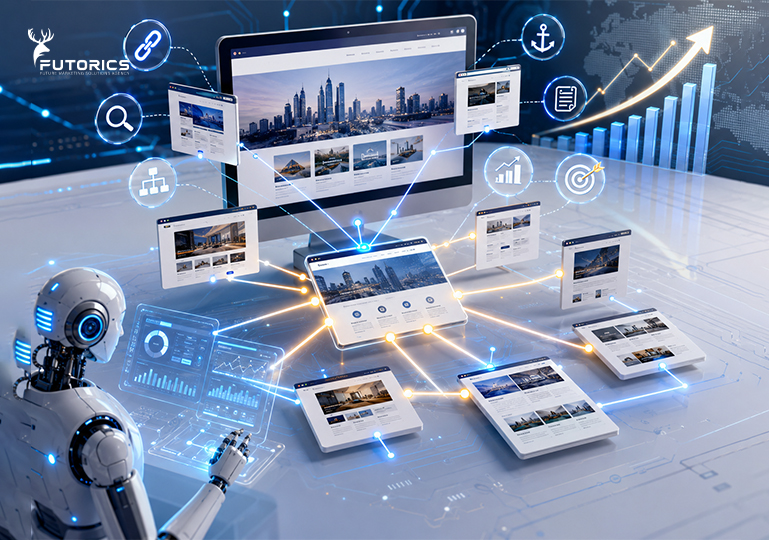
When done correctly, internal linking helps search engine crawlers discover new pages, understand the relationship between different pieces of content, and determine which pages are most important. It also helps visitors navigate your website more easily, reducing bounce rates and increasing time spent on site. Both of these outcomes send positive signals to search engines, reinforcing the value of a well-planned link structure.
The Connection Between Internal Linking and Crawlability
Crawlability is the foundation of SEO. If search engine bots cannot find and access your pages, those pages cannot be indexed, and if they are not indexed, they cannot rank. Website internal links act as pathways that guide crawlers from one page to another, ensuring that even deep or newly published pages get discovered.
Websites with poor internal linking often suffer from orphan pages, which are pages that have no internal links pointing to them. These pages are difficult for search engines to find and are frequently left out of search results entirely. By building a thoughtful internal linking SEO strategy, you reduce the risk of orphan pages and make sure every important page on your site has a clear path leading to it.
A strong link structure also helps search engines understand your site hierarchy. Homepage links to category pages, category pages link to subcategories, and subcategories link to individual articles or products. This logical flow mirrors how users browse a website and gives search engines a clear map of your content.
How Internal Linking Impacts Page Authority
Page authority is not just about how many backlinks a page has from other websites. It is also influenced by how authority flows within your own domain. When a high-authority page links to a lower-authority page, some of that authority is passed along, a concept often referred to as link equity.
By strategically linking from your most powerful pages, such as your homepage or a highly ranked blog post, to newer or underperforming pages, you can boost the authority of those pages over time. This is particularly useful for businesses launching new service pages or product listings that need an initial ranking boost.
A well-planned internal linking SEO approach ensures that authority is distributed intentionally rather than randomly. Instead of every page linking equally to every other page, prioritize connections that make strategic sense for your business goals and target keywords.
Building an Effective Link Structure
Creating a strong link structure requires more than randomly inserting links wherever they fit. It requires planning and a clear understanding of your website architecture. Start by mapping out your most important pages, often called pillar pages, and identify related content that should link back to them.
Anchor text also plays a significant role in internal linking SEO. Instead of using generic phrases like "click here," use descriptive, keyword-relevant anchor text that tells both users and search engines what the linked page is about. This reinforces relevance and helps target pages rank for specific terms.
It is also important to avoid excessive linking. Too many internal links on a single page can dilute their value and create a confusing experience for users. A general rule of thumb is to link only when it is genuinely useful and relevant to the reader, rather than forcing links purely for SEO purposes.
Regularly auditing your website internal links is another essential practice. As websites grow, older pages often get forgotten, broken links accumulate, and outdated content stops receiving the internal link support it once had. Periodic audits help identify these gaps and opportunities for improvement.
Common Internal Linking Mistakes to Avoid
Many websites make the mistake of linking exclusively from the homepage or navigation menu, ignoring the potential of contextual, in-content links. Contextual links carry more weight because they are surrounded by relevant text that provides additional context to search engines.
Another common mistake is failing to update internal links when content is removed or restructured. Broken internal links harm both user experience and crawlability, so it is important to redirect or update links whenever pages are deleted or moved.
Overusing the same anchor text across multiple links can also appear manipulative to search engines. Varying your anchor text naturally, while still remaining descriptive and relevant, produces a healthier and more effective link structure.
Why Professional Guidance Makes a Difference
Internal linking might seem simple on the surface, but doing it strategically requires a deep understanding of site architecture, keyword targeting, and user behavior. Small mistakes, like linking too aggressively or ignoring orphan pages, can quietly undermine months of content and outreach efforts.
This is where professional SEO Services become valuable. An experienced team can audit your existing link structure, identify missed opportunities, and build a scalable internal linking strategy that grows with your website. Rather than guessing which pages need more support, a data-driven approach ensures that every internal link serves a clear purpose.
Final Thoughts
Internal linking SEO is not a one-time task but an ongoing process that evolves as your website grows. By focusing on crawlability, distributing page authority intelligently, and maintaining a clean link structure, you set the foundation for long-term search visibility. Website internal links may not get as much attention as backlinks, but their impact on rankings, user experience, and overall site health is significant.
If you want to strengthen your internal linking strategy and improve your search performance, our team is ready to help. Get in touch with Futorics today to learn more about our SEO Services and discover how a well-structured internal linking strategy can transform your website's visibility and growth. Contact us now to schedule a free consultation and take the first step toward a smarter, more connected website.